Described as the most versatile identity card design software available, our Photo ID solutions provide refreshingly advanced yet simple to work with graphical user interfaces.
If you are looking for ideal and affordable solution for you or your organization then this is the right place.
Easy Card Creator Features
Design Features
Predefined Card Sizes
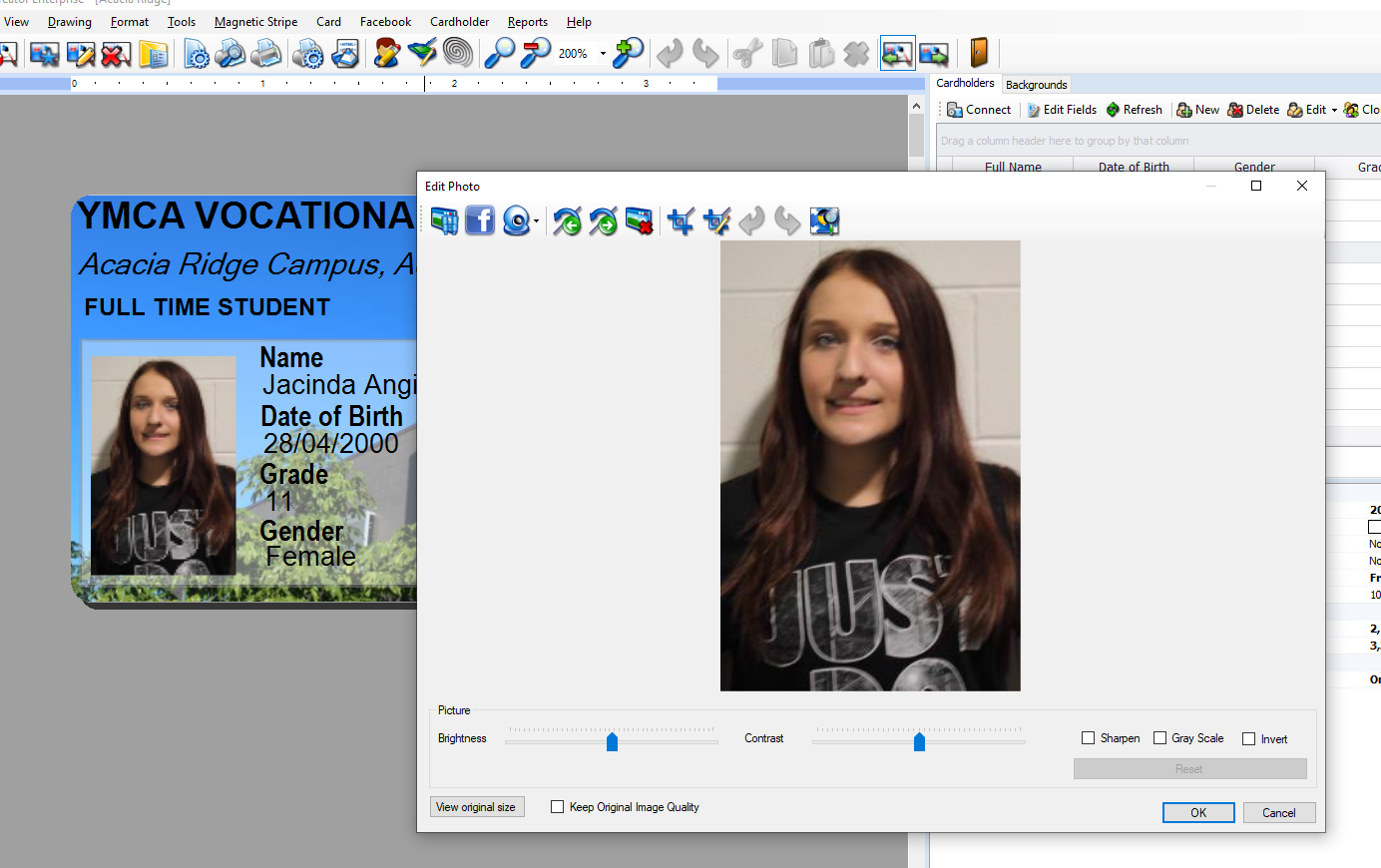
Image Editor
Magnetic Stripe Support
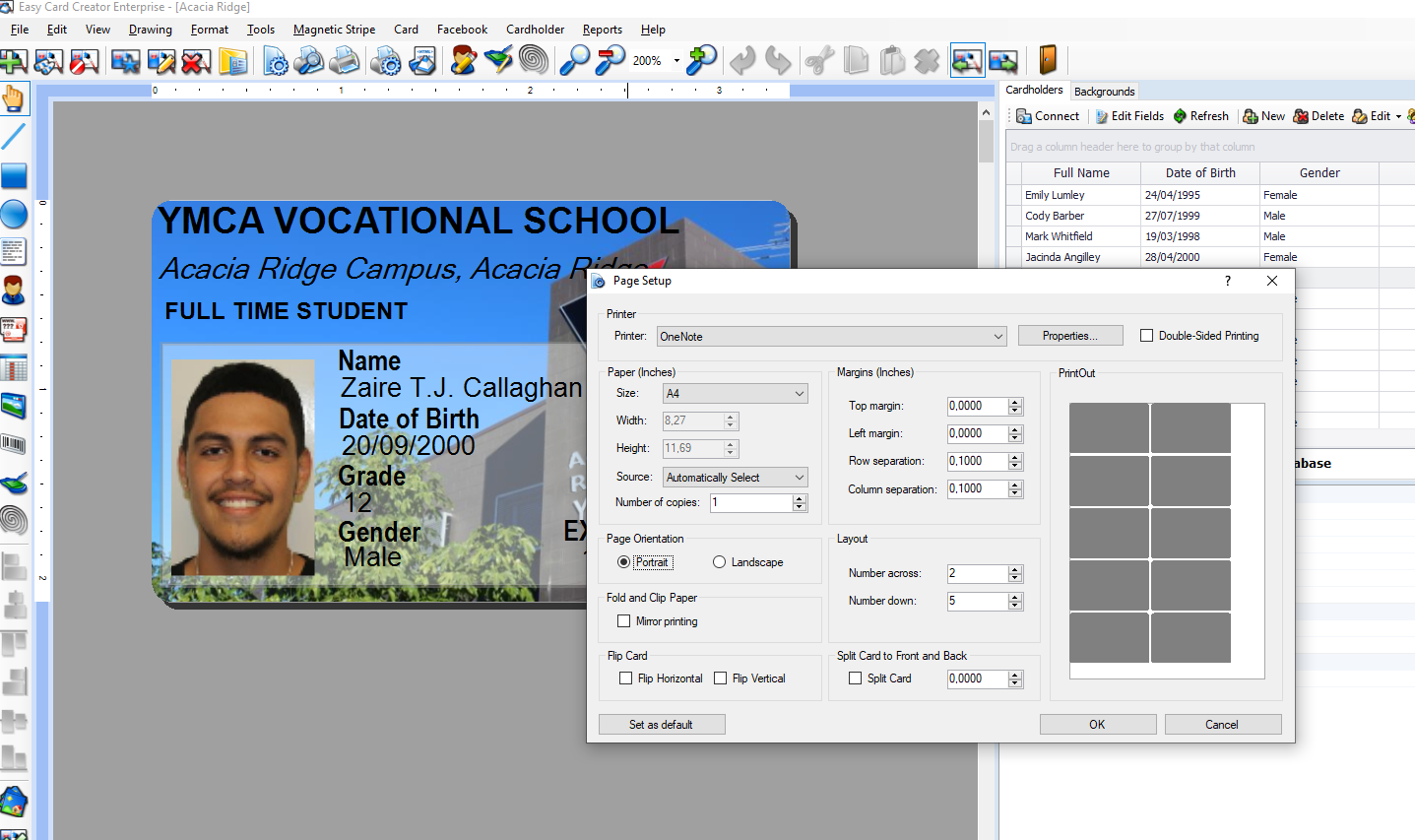
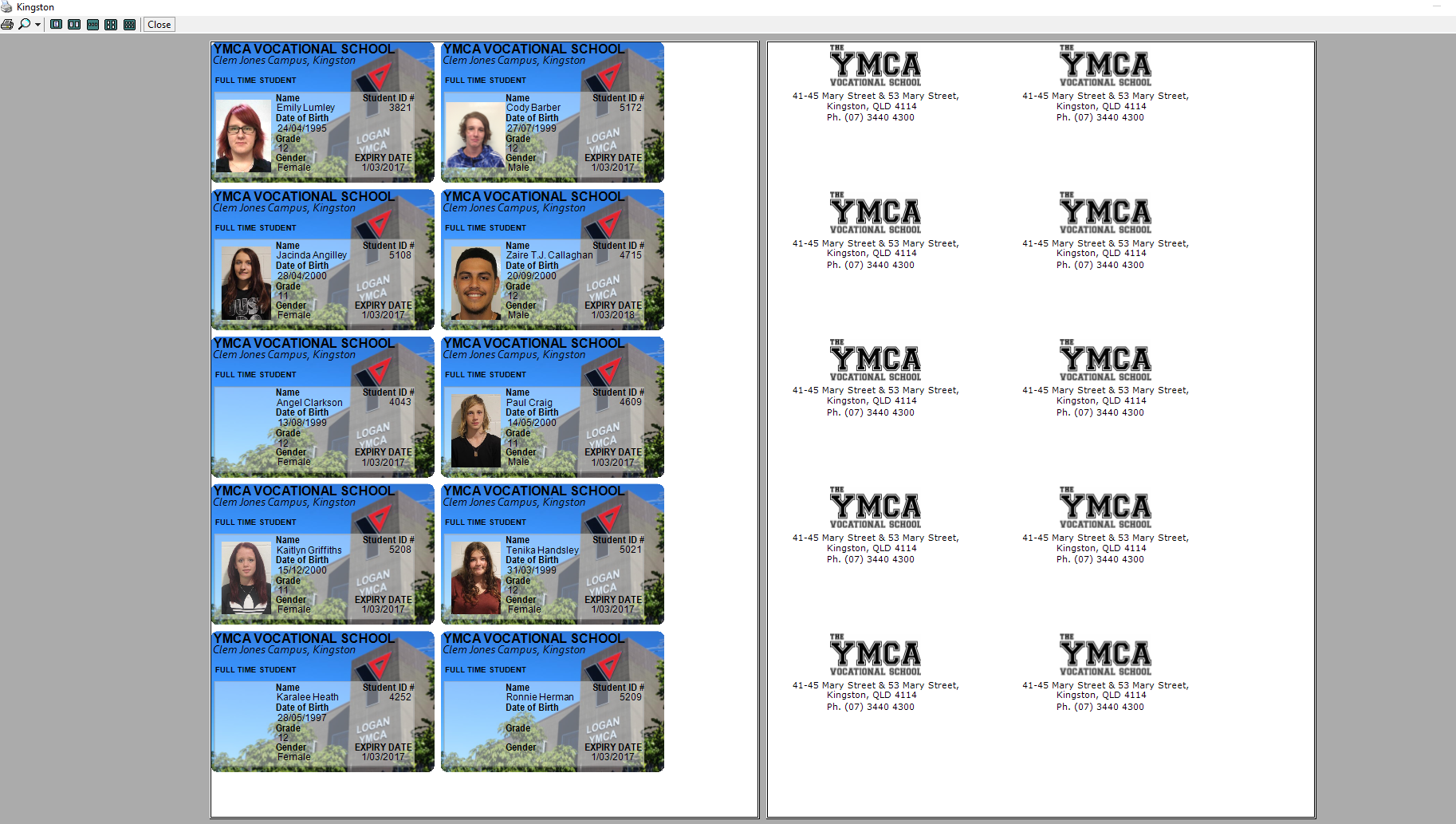
Printing Options
All Printers Support
Batch Printing
Fold and Clip Paper Badges Support
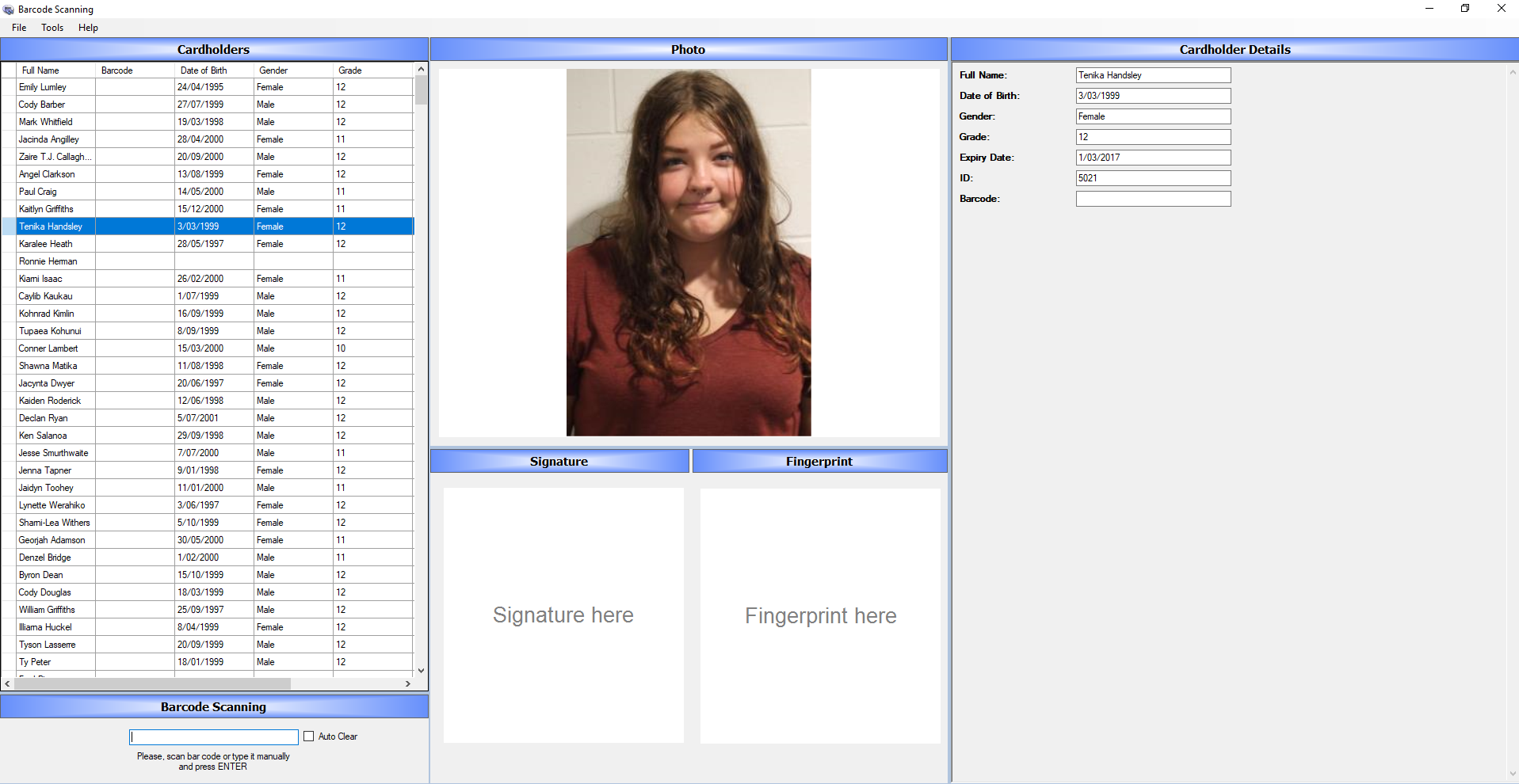
Database Features
Different Datatype Support
Customizable Fields
Different User Access Levels
The concept of the "German voyeur" is most frequently explored in academic and social essays through the lens of , film theory , and legal reform . Below are key perspectives and helpful essays that analyze these themes. 1. Voyeurism and Holocaust Memory
: This essay in Image Journal examines the emotional detachment and "grim voyeurism" of viewing black-and-white footage of emaciated bodies and mass graves.
: Articles from DW News document recent movements to criminalize public voyeurism, sparked by victims filming their perpetrators and sparking national dialogue with slogans like "My clothes are no invitation!". Summary Table: Key Essay Themes Core Focus Notable Source Historical Ethics The ethics of viewing Holocaust imagery. Image Journal Cinematic Gaze Objectification in German and wartime films. Deakin University Social Justice Campaigns to criminalize non-consensual filming in Germany. DW (Deutsche Welle) Suffering and Voyeurism - Image Journal
: This analysis explores how female complicity and victimhood are often simplified in film to satisfy a voyeuristic perspective .
Voyeurism in contemporary Germany is also a subject of active legal debate, particularly regarding "upskirting" and the filming of individuals without consent in public spaces.
: Published via Cambridge University Press , this work discusses whether the public’s curiosity about the private lives of Nazi perpetrators constitutes a form of historical voyeurism. 2. The "Male Gaze" in German & Holocaust Cinema
Scholars often use "voyeurism" to describe the problematic fascination with atrocities of the Second World War. These essays question whether consuming graphic historical imagery is an act of empathy or a "grisly pornography" of suffering.
: The influential Austrian-German director often critiques the viewer’s own voyeurism, specifically regarding how violence is portrayed to make the audience uncomfortable with their own position . 3. Modern Legal and Social Contexts
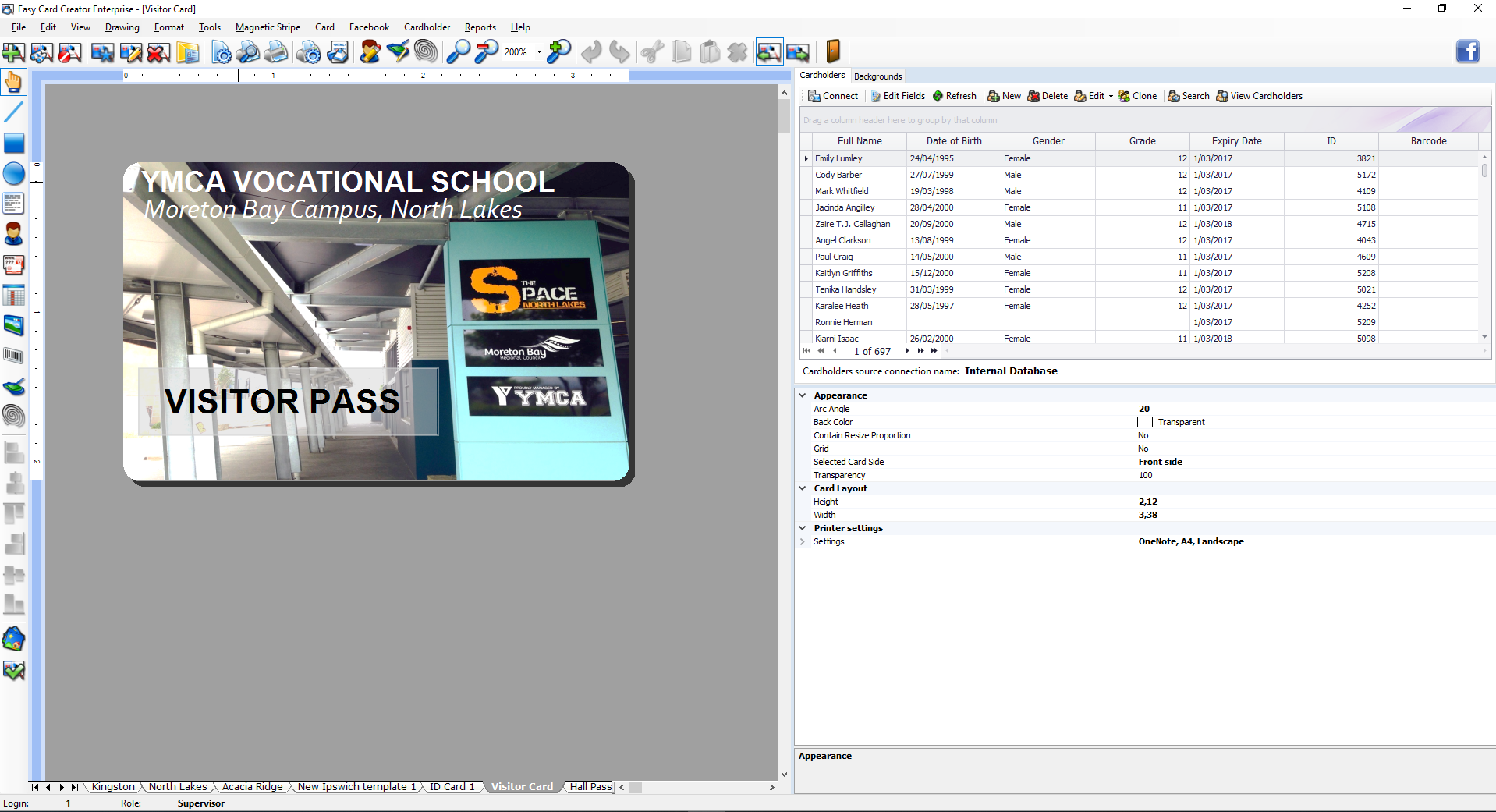
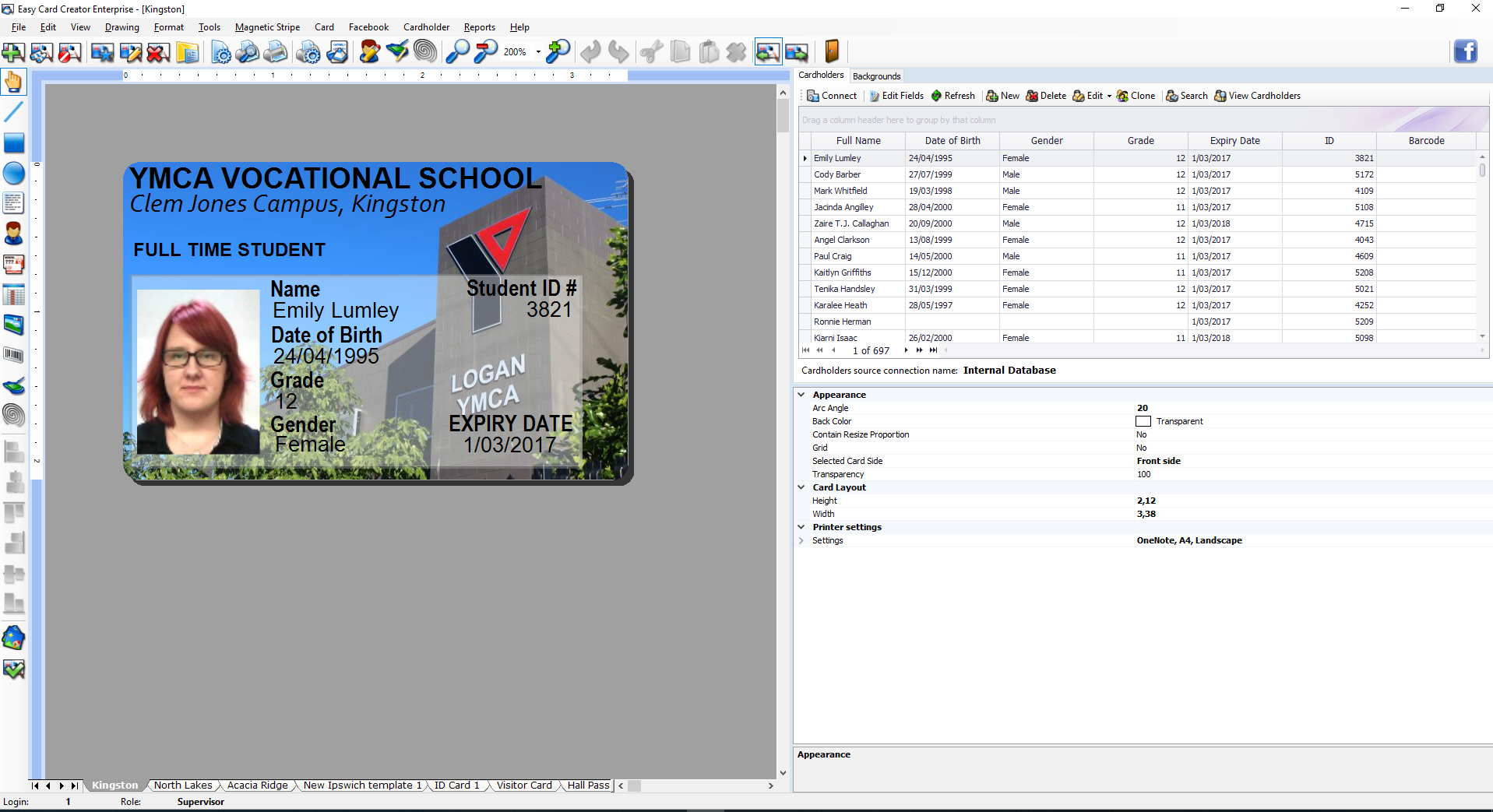
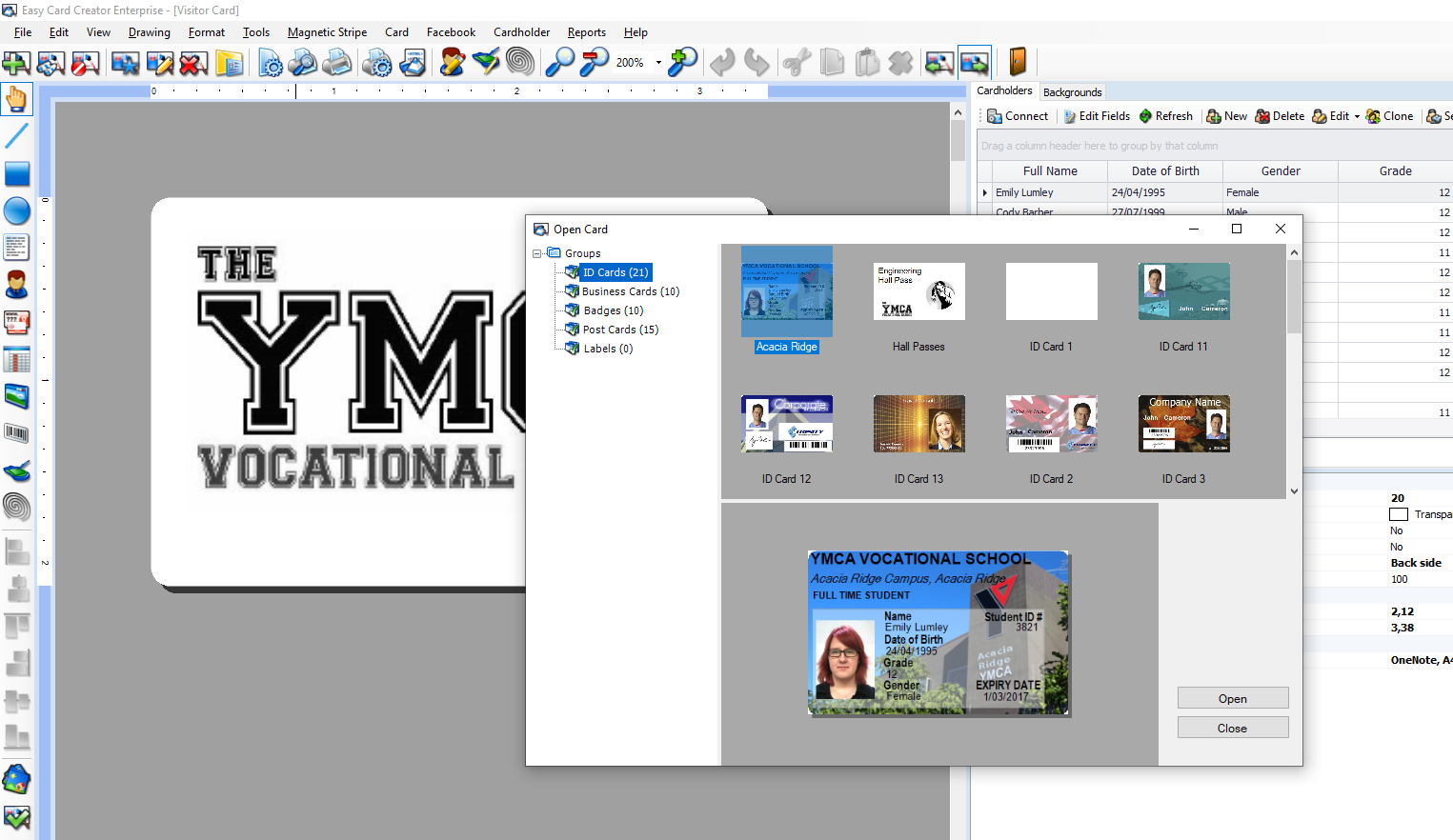
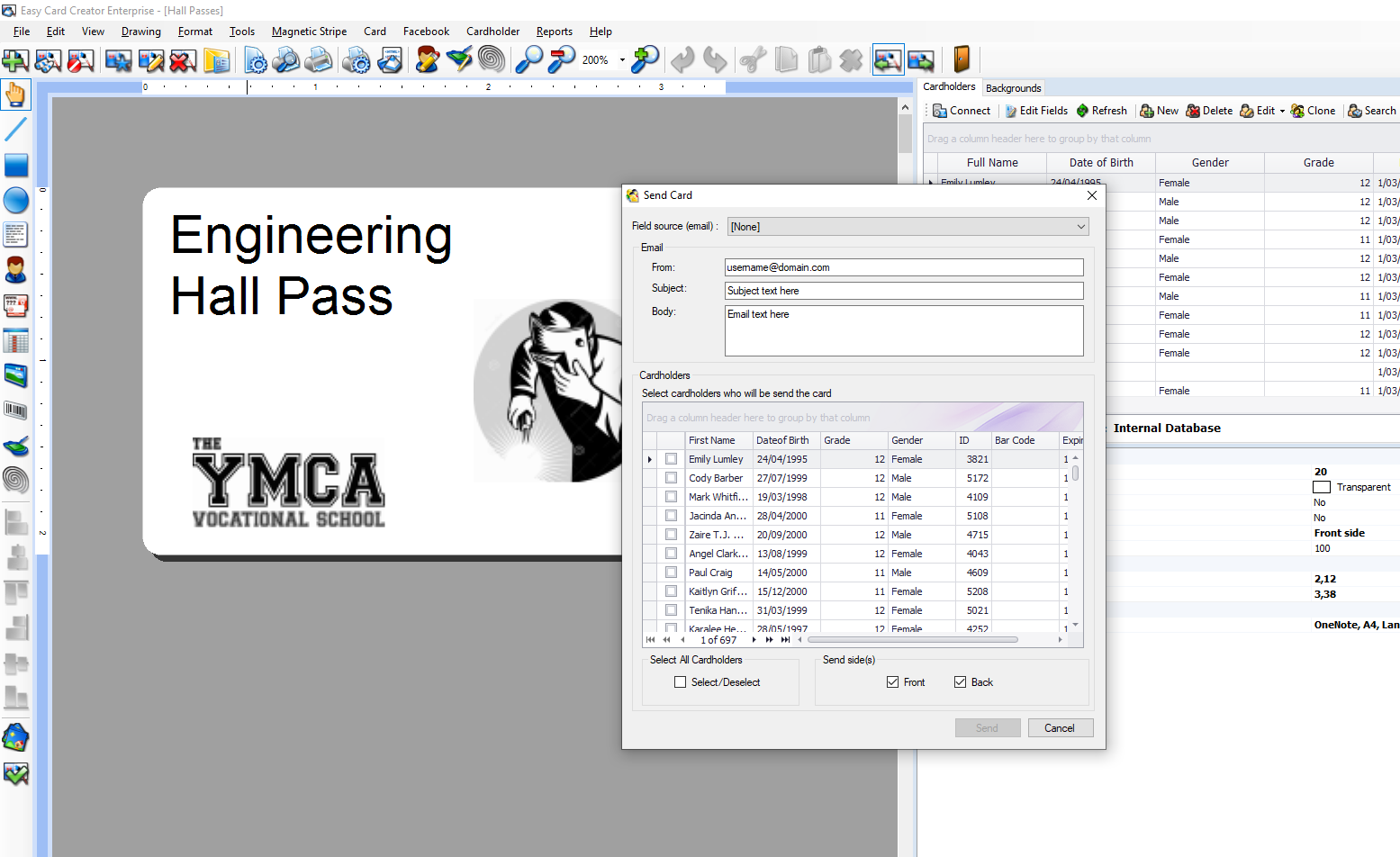
App Screenshots
German Voyeur Now
The concept of the "German voyeur" is most frequently explored in academic and social essays through the lens of , film theory , and legal reform . Below are key perspectives and helpful essays that analyze these themes. 1. Voyeurism and Holocaust Memory
: This essay in Image Journal examines the emotional detachment and "grim voyeurism" of viewing black-and-white footage of emaciated bodies and mass graves.
: Articles from DW News document recent movements to criminalize public voyeurism, sparked by victims filming their perpetrators and sparking national dialogue with slogans like "My clothes are no invitation!". Summary Table: Key Essay Themes Core Focus Notable Source Historical Ethics The ethics of viewing Holocaust imagery. Image Journal Cinematic Gaze Objectification in German and wartime films. Deakin University Social Justice Campaigns to criminalize non-consensual filming in Germany. DW (Deutsche Welle) Suffering and Voyeurism - Image Journal german voyeur
: This analysis explores how female complicity and victimhood are often simplified in film to satisfy a voyeuristic perspective .
Voyeurism in contemporary Germany is also a subject of active legal debate, particularly regarding "upskirting" and the filming of individuals without consent in public spaces. The concept of the "German voyeur" is most
: Published via Cambridge University Press , this work discusses whether the public’s curiosity about the private lives of Nazi perpetrators constitutes a form of historical voyeurism. 2. The "Male Gaze" in German & Holocaust Cinema
Scholars often use "voyeurism" to describe the problematic fascination with atrocities of the Second World War. These essays question whether consuming graphic historical imagery is an act of empathy or a "grisly pornography" of suffering. Voyeurism and Holocaust Memory : This essay in
: The influential Austrian-German director often critiques the viewer’s own voyeurism, specifically regarding how violence is portrayed to make the audience uncomfortable with their own position . 3. Modern Legal and Social Contexts
FREE Download
Our new TRIAL FREE DOWNLOAD process enables you to evaluate the installed trial version and then convert it to an unrestricted version by purchasing it and registering your software license. Our ID Software trial includes all the features available in a licensed copy. You will be able to design and print your employee cards, name badges and labels and you will have "TRIAL" printed on all the cards. The trial version will expire 14 days after you install it. Once the trial period is over, you may purchase Easy Card Creator ID Software online.






 Download