A Theory Of Cognitive Dissonance (RECENT × 2025)

Then came the pivot. At 4:45 a.m., Martin claimed to receive a new message: the group had spread so much light that God had decided to save the world from the flood.

To prove this wasn't just about cults, Festinger and James Carlsmith conducted a now-famous experiment. They asked students to perform a mind-numbingly boring task: turning wooden pegs on a board for an hour.

Festinger saw a unique opportunity to test a growing hunch. What happens to a person’s mind when their deeply held conviction is proven—irrefutably—to be wrong? He went undercover. The Midnight Crisis

Suddenly, the despair vanished. Instead of feeling foolish, the cult members became more fervent than ever. They didn't just stay in the group; they began calling newspapers and proselytizing on street corners, more desperate to convince others than they had been before the failed prophecy. The Theory is Born

In 1954, Leon Festinger , a social psychologist, found himself fascinated by a bizarre newspaper headline about a cult called the Seekers. Led by a woman named Dorothy Martin, they believed that on December 21, the world would be destroyed by a great flood, and they alone would be rescued by a flying saucer from the planet Clarion.

On the night of December 20, the group huddled in a living room, waiting. Midnight struck. Nothing happened. 12:05 a.m. Silence. By 4:00 a.m., the group sat in stunned, weeping despair. The "logic" of their world had collapsed.

From this observation, Festinger formalized his . He argued that we have an inner drive to keep our attitudes and beliefs in harmony. When we hold two "inconsistent" thoughts—like "I am a rational person" and "I just waited all night for a spaceship that didn't come"—we experience a state of psychological distress called dissonance .

To stop the pain of that inconsistency, we must change something. We can: Leave the cult (the rarest path). Change the belief: "The prophecy was wrong." Add new cognitions: "We saved the world with our faith". The peg-turning experiment

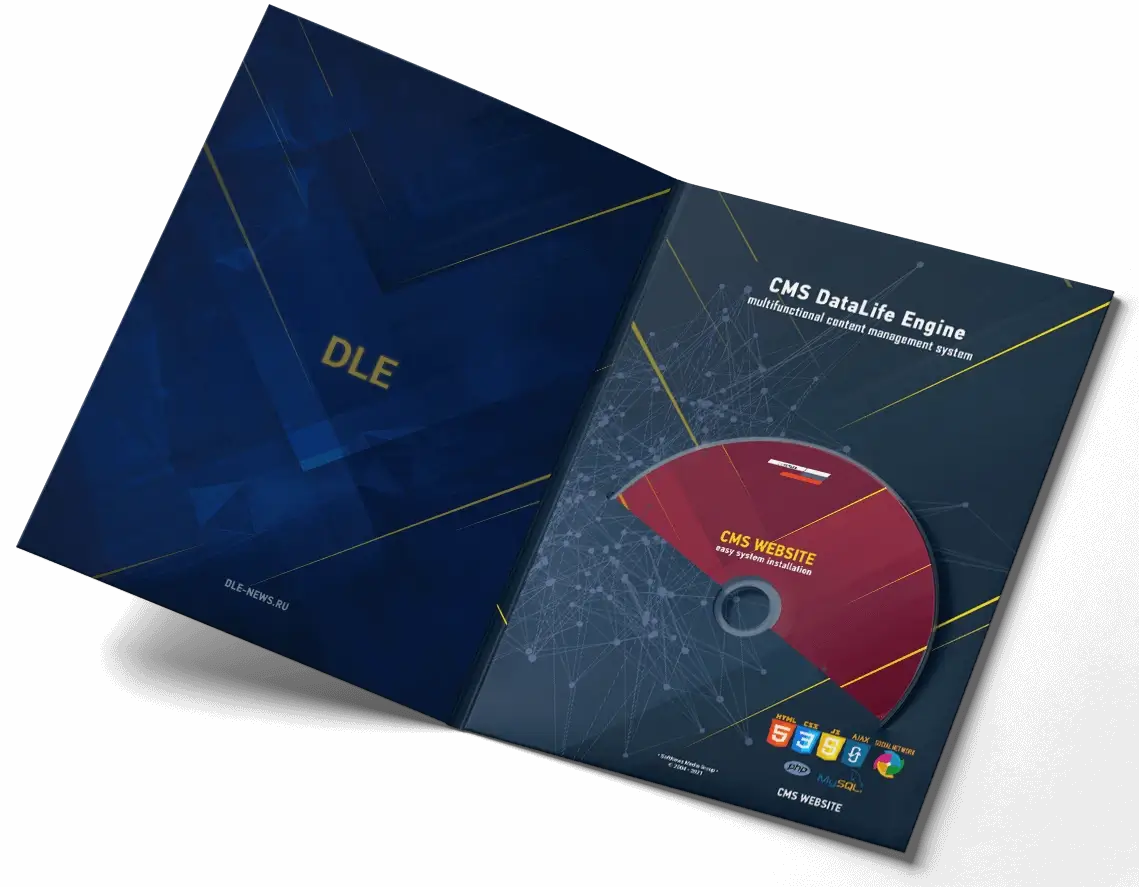
Как сложно создать свой сайт?

Скачиваете

Скачиваете дистрибутив с нашего сайта

Копируете

Копируете файлы скрипта на свой хостинг

Устанавливаете

Следуете инструкциям в браузере

Все !

На этом все. Ваш сайт работает

Какие возможности предоставляет вам ваш сайт

  • При управлении сайтом

    Удобная панель управления

    • Добавлять публикации на сайт и управлять пользователями
    • Управлять опросами, голосованиями и рекламными материалами
    • Управлять шаблонами, метатегами и рассылать сообщения
  • Для посетителей сайта

    Большие возможности для посетителей

    • Могут также помогать вам публиковать материалы
    • Общаться в комментариях, и через персональные сообщения
    • Выставлять рейтинги публикациям и комментариям, голосовать
  • Социальные возможности

    Интеграция с социальными сетями

    • Возможность входить на сайт через социальные сети
    • Возможность делиться публикациями в социальных сетях
    • Микроразметка для социальных сетей
img

Then came the pivot. At 4:45 a.m., Martin claimed to receive a new message: the group had spread so much light that God had decided to save the world from the flood.

To prove this wasn't just about cults, Festinger and James Carlsmith conducted a now-famous experiment. They asked students to perform a mind-numbingly boring task: turning wooden pegs on a board for an hour.

Festinger saw a unique opportunity to test a growing hunch. What happens to a person’s mind when their deeply held conviction is proven—irrefutably—to be wrong? He went undercover. The Midnight Crisis

Suddenly, the despair vanished. Instead of feeling foolish, the cult members became more fervent than ever. They didn't just stay in the group; they began calling newspapers and proselytizing on street corners, more desperate to convince others than they had been before the failed prophecy. The Theory is Born

In 1954, Leon Festinger , a social psychologist, found himself fascinated by a bizarre newspaper headline about a cult called the Seekers. Led by a woman named Dorothy Martin, they believed that on December 21, the world would be destroyed by a great flood, and they alone would be rescued by a flying saucer from the planet Clarion.

On the night of December 20, the group huddled in a living room, waiting. Midnight struck. Nothing happened. 12:05 a.m. Silence. By 4:00 a.m., the group sat in stunned, weeping despair. The "logic" of their world had collapsed.

From this observation, Festinger formalized his . He argued that we have an inner drive to keep our attitudes and beliefs in harmony. When we hold two "inconsistent" thoughts—like "I am a rational person" and "I just waited all night for a spaceship that didn't come"—we experience a state of psychological distress called dissonance .

To stop the pain of that inconsistency, we must change something. We can: Leave the cult (the rarest path). Change the belief: "The prophecy was wrong." Add new cognitions: "We saved the world with our faith". The peg-turning experiment

Скачать

Необязательно что либо покупать сразу, попробуйте бесплатно DataLife Engine

Последние Новости

DataLife Engine v.19.1 Final Release

Дорогие друзья, Представляем вам новую версию нашего скрипта DataLife Engine v.19.1. В данном релизе вас ожидает возможность использовать

Прочитать подробнее

DataLife Engine v.19.1 Press Release

Дорогие друзья, Завершен основной этап разработки версии 19.1, релиз находится на тестировании и предрелизной подготовке, ну а пока мы

Прочитать подробнее

DataLife Engine v.19.0 Final Release

Дорогие друзья, Представляем вам новую версию нашего скрипта DataLife Engine v.19.0. В данном релизе вас ожидает полностью новая система

Прочитать подробнее